Labels

Showing posts with label April Carr. Show all posts

Thursday, 23 April 2015

In what ways does your media product use, develop or challenge forms and conventions of real media products?

I discovered codes and conventions of the zombie horror genre through research. For example I analysed the first 5 minutes of the film '28 Days Later' (Dir Danny Boyle 2002). Through researching into this film I became aware of horror conventions such as low key lighting and the iconography of blood. I used this research to then apply to my own film 'Z-bola'.

Iconography within 28 Days Later.

During the first 2 minutes of our zombie horror genre film the narrative is restricted. This is common within horror films as it ensured our audience only knew the same amount of information as our characters. This heightened the fear factor as the audience were shocked with new information such as the 'zombie' appearing. They were previously unaware and this sudden change in plot created tension, the restricted narrative allowed them to then question what would happen next or who would be the next victim. The opening scene finalises with the diegetic sound of a police car, added in post production. This event adds mystery to our scene as the audience is unaware of what will happen next, they are then urged to continue watching.


Our genre is specifically represented through iconography. For example the use of blood throughout. Blood within film holds connotations of death and danger therefore signifying to the audience that the genre is horror and will feature tense situations. The iconography of blood is shown on our 'zombie' character through mise en scene. A close up is used to emphasise the use of make up on the actor to symbolise their infected state. The genre is also conveyed through the use of 'eery' music during the opening titles of the scene. This use of non diegetic music signifies the genre of the film as it is 'creepy'.


A high angle shot is used showing the 'zombie' after being killed. This shows the inferiority of the character and foreshadows to the audience that man will beat the infected. In addition to this hand held shots are used within the fast paced fight scene. This creates urgency within the clip as well as emphasising frantic movements in an attempt of survival. Overlaying the hand held shots is a red hue. The colour red holds connotations of danger and represents the 'zombies' eyes as it is also a point of view shot.


Continuity editing as learned from our preliminary exercise is used throughout. For example as 'Steve' enters the setting of a family home a match on action edit is used. This allows the clips to flow. In addition to this shot reverse shot as well as the 180 degree rule is used. This created realism and therefore verisimilitude within the clip.


How did you attract/address your audience?

The target audience for our film is 15-25 year old 'zombie' enthusiasts, this is fitting to our 15 age certificate of our film.


When planning our production we realised in order to appeal to our audience of horror genre fans we had to include horror conventions. Therefore the production of our film included mise en scene of blood. This added to the verisimilitude of the clip by displaying a realistic looking 'zombie' character, aesthetically pleasing to 'zombie' fans. One respondent to our audience feedback explained 'My favourite part was the look of the zombie, the make up looked very real and gory'.


In order to create mystery and widen our target audience we also included the diegetic sound, added in post production, of a police siren at the end of the first few minutes in our clip. After questioning 15-25 year olds after viewing our film for our audience feedback we learnt that mystery was achieved by the siren. One partaker said 'I enjoyed the siren at the end, it made me wonder what was going to happen next and I wanted to watch more'.


We also added a fast paced fight scene to our film. This was to keep our audience on edge and display the harshness of the virus and therefore creating fear. This worked efficiently as proven by our audience feedback which involves a respondent stating 'I feared for Steve when he was fighting the zombie, I didn't know if he would live or die!'. This feedback suggests that the scene created the tension we aspired to create. However the respondent also said 'I think it would have been so much more tense if there was some action music in time.'. From this feedback we have learnt that to achieve maximum entertainment for the audience during a fight scene we should use 'action' styled non diegetic music during.


Looking back at your preliminary task, what do you feel you have learnt in the progression from it to the full product?

During the early stages of the AS Media year each member of our group had a very basic level of skill in terms of filming and editing. This is represented within our preliminary task, shown below, which provides a short clip involving very basic editing skills such as match on action, the 180 degree rule and shot reverse shots, techniques learnt in the first weeks of our academic year. Despite the clips simplicity the experience provided a platform for us to expand our skills.


As our academic year continued we furthered our skills. This is conveyed through our final film 'Z-bola'. We furthered our skills through research into editing and filming techniques such as documentaries showing representations of the techniques in action on well known films and television shows.

In order to finalise our skills we had to apply them practically. We did this through the production of our film 'Z-bola' which involves a difficult level of editing such as a fight scene and coloured overlays. Providing a successful, efficient filming process within our time period involved the formation of a shot list, as also used in our preliminary task. This is an example of how our preliminary task taught us how to be successful within the filming process. The filming of 'Z-bola' was also our second attempt of production as our previous attempt taught us that we needed a more in depth shot list in order to have a successful filming process.

In addition to this whilst filming the dialogue within our first few minutes of our film 'Z-bola' we used the 180 degree rule in order to create continuity and verisimilitude. We had originally set up the camera in a way that would have caused a break in the rule however our previous experience from our preliminary task highlighted to us that it would cause a break in continuity.

We also ventured into different methods of editing such as the use of a green screen. The green screen allowed us to recreate a 'news room' setting. This added verisimilitude to our film and realism. By using the green screen in our practical work it has opened up new editing opportunities, for example if I needed to use the green screen again to recreate a setting in a second piece of practical work I could do so confidently.

Overall I feel we have improved vastly as a group over the course of the year. This is displayed through the difference in quality between our preliminary task and our final film 'Z-bola'. We improved thanks to further research into the logistics of editing in addition to practical application. This is especially thanks to the fact our final film is our second attempt of filming.


Wednesday, 22 April 2015

What have you learnt about technologies from the process of constructing this product?

During the process of constructing our film I learnt about many technologies. During the research section of our film I used google to collect information on the genre of our film and its conventions.


I also used celtx to create a script during the planning section of our film. This allowed us to create a successful script including stage directions with dialogue. This caused successful production of our film in the filming process as actors were aware of their placement within the camera and the dialogue they had to say.

I used blogger as a site to upload my work. This helped me communicate my ideas to the rest of my group as well as embed several forms of media such as images and videos. However blogger is internet dependent meaning I could only upload posts when connected to the internet.


During the production process of our film we used a panasonic hd camcorder. It was my first time using this technology however found the filming process simple as the camera didn't have many buttons or settings, perfect for an amateur.   


When editing our film we used final cut express. I had experience working with this software from our preliminary exercise which allowed me to understand how to edit our clips. Despite this I lacked an advance editing skill and struggled to add a red overlay to our film meaning I had to use a tutorial from Youtube to learn how.


Saturday, 11 April 2015

Who would be the audience for your media product?

The audience for our film 'Z-bola' are 15-25 year olds who enjoy the idea of surprise within films, including 'zombie' film enthusiasts. This is also fitting to the films age certificate of a 15 meaning the film is viewable for the whole target audience.


We each conducted audience profiles within our pre production research to discover as wide as possible an audience to determine the most success for our film 'Z-bola'. We discovered that mostly men are interested in the horror genre as they find it thrilling and exciting. Juxtaposed to this women prefer lighter genres such as comedies or romance. We used this research to create a larger target audience by involving a couple in our film, this therefore pulled in a female audience.

Couple featured in our clip.

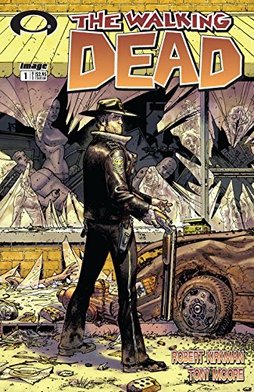
We also learned that fans of 'zombie' themed comics and games will take interest in our film proven by the 'Walking Dead' franchise.


Through our character profile we also discovered an increase in 'zombie' films within recent years. These include: 'Life after Beth', 'Warm Bodies' and 'World War Z'. Each have been successful further proving that there is currently a large audience of zombie film enthusiasts, ensuring our film success. Both 'Life after Beth' and 'Warm Bodies' are 'zombie' films featuring romance, similarly to 'Z-bola'. Both of these films were successful and gained a wide audience of men and women therefore insinuating that our film will follow in the same path.


How does your media product represent particular social groups?

Monday, 9 March 2015

What kind of media institution might distribute your media product and why?


Hammer Films productions is a British horror film company.

The genre of our film 'Z-bola' is horror. Therefore I feel our film production company should specialise in our chosen genre.

I also believe that the company should be British as the films production is British, using british actors and talent.

Hammer Films has achieved recent success with their films such as:


  • Let Me In (2010)
  • The Resident (2011) 
  • The Woman in Black (2012)
The target audience for horror films is often teens and adults due to their age certificate, this is similar to our film which is of a 15 age certificate.

In addition to these factors our film is of a 'Zombie' theme. Hammer Films is the distributor of the influential 'Zombie' film 'The Plague of the Zombies'. We hope by using this distributor our film will also inspire the production of future zombie films.


However by using this small British independent company our budget would be lower than if we used a 'big six' conglomerate such as Warner Bros. This could lead to less special effects. However I believe it would lead to a much more niche film. 


Wednesday, 7 January 2015

Treatment: Full film

Z-bola
(A combination of the word 'zombie' and the disease Ebola)

Duration: 97 minutes

Audience: 15-25 year old horror/ zombie enthusiasts. This target audience is also fitting to our age certificate of 15.

Distributor: Hammer Film's
This company specialises in the genre of our film, horror. The film also distributed a film titled 'The Plague of The Zombie', this film continued to inspire future zombie films, we therefore hope by using this distributor our film will go on to have the same success.

Synopsis of story:
A virus titled 'Z-bola' spreads through the UK infecting people through a transmission of bodily fluids. The film follows the post-apocalyptic life of protagonist Matt. Through his journey he meets a group of survivors on the way to a 'safe camp'. Within the group is Stella a pessimistic woman who takes convincing that life can be better. On their journey the two fall in love. Along the way they battle through shuffling hoards of 'zombies' and lose many loved ones.

Suggested elements:
The film will be non linear as it will feature flashbacks to life before the virus outbreak. It will also feature a montage in the middle of the film showing how the survivors have been travelling for days through different types of weather and terrain.

Wednesday, 10 December 2014

Risk Assessment:


Questionnaire:

Media Questionnaire:

1.     Do you understand the plot of the film?

2.     What do you think the genre of the film is?

3.     What age rating would you assume the film is?

4.     What is your favourite genre of film?

5.     Would you go to see the film?

6.     What is your favourite part of the plot?

7.     Is there anything you would add or change to the plot?

List of tricky shots.

List of tricky shots and effects.


The green screen shot of the news report will be tricky as it is a shot we have never produced before. We also think it will be challenging for us to act in a scene lacking props and an environment.


In addition to this the fight sequence will be tricky as it's quite difficult to achieve proper speed and tension when we are not trained actors. The shot is quite difficult as we discovered in our practice run. .


To fix the issue we have conducted research and found an instructional video to help when shooting. 

Sunday, 7 December 2014

How to make fake blood:

In order to create a realistic death or fight scene fake blood is needed. This is especially true for our chosen genre of film which is a classic 'Zombie' horror. However instead of spending money at the shops it can be easily made at home.

You will need:

  • Water
  • Golden Syrup
  • Red, blue and green food colouring
  • Flour / Cornstarch
Making the fake blood:

  1. Mix 1 part water to 3 parts golden syrup.
  2. Add drops of red food colouring and gradually mix the substance.
  3. Add a few drops of the blue and green food colouring until you get your desired realistic shade.
  4. Add your thickener to the liquid such as flour or cornstarch.
  5. Let the mix sit for around 10 minutes in a warm environment, this will allow it to thicken.

 (add video here)

Analysis into the first 10 minutes of a similar film: 28 Days Later

'28 Days Later' directed by Danny Boyle and released in 2002 describes the story of protagonist Jim on his journey of survival through post-apocalyptic Britain. After a 'rage virus' is released and spread through Britain infecting people and changing them into 'zombies' Jim wakes from a coma and meets several hopeful and pessimistic characters. The horror film follows a theme of science gone wrong and rage- an inner monster. Similarly to our film it has a sub-genre of Zombie's.


The clip begins with many handheld shots showing scenes of violence. The handheld shots are shaky and appear chaotic. The shots also keep the audience on edge as their eyes are darting across the screen. The high number of these shots also show how violence is wide spread throughout the country. Many of the shots shown came from the London riots, this therefore fits the theme of social rage. In addition to this it is implied that media is the reason for wide spread anger. This is due to the fact that it is the news clips shown on the screen which causes the monkeys to be angry and feel enraged.


The camera then dollys out to a high angle shot. It shows a monkey strapped to a bed in a lab setting, being forced to watch the clips of violence. The high angle shot conveys that the monkey is inferior in its trapped state. The deep space of the shot also shows how isolated the monkey is within the room. Low key lighting is also used to give the shot a mysterious, edgy feel therefore making the audience wonder what will happen next.


A cantered angle is then used. This creates disorientation for the audience and matches their confusion on who the masked figures are. A mask is used on the characters to produce a sense of fear and allows the audience to question who they are and whether or not they're dangerous. The character within the shot is an animal rights activist. Shown within the shot is a cage which although in shallow depth of field, covers the activist. This represents how they are trapped within their point of view. They are on a mission to end animal testing and are trapped within their morale crusade, just how animals are trapped within a cage. Throughout the shot there are sounds of banging cages and screeches from the monkeys, this foreshadows that violence will follow.


Extreme close ups of the activists eyes are shown next. This appears threatening and heightens the tension within the scene. Again the activists are shown trapped behind glass. This symbolises how they are trapped within their views.


A wide shot of the activists entering the room and removing their masks is now used. This shot involves the use of dark dull colours and low key lighting which displays the fear of the unknown. Within the shot we see a lab setting which supports horror conventions as well as iconography of blood and medical appliances.


A medium shot of an activist is shown using chiaroscuro, this gives the effect of a silhouette and therefore heightens the tension within the scene. He is shown holding the prop of a camera and takes photographs of the caged monkeys. A straight cut then shows a flash and an image of a highly aggressive monkey. Sounds of screeching and banging are heard implying that the monkey is feeling overpowering rage, warning the activists to stay away however they do not comply.


An establishing shot of the lab shows several cages filled with monkeys used for animal testing. This conveys the the cruel side of human nature. The shot is at a high angle to display how the animals and activists are inferior to the virus, there is no escape from it. The close-ups that follow show several caged monkeys and set the scene for the audience.


The camera then pans to a mid shot of a scientist who watches the break in. Following this shot the pace of the clip fastens heightening tension. Shots are displayed on screen for under 3 seconds. The activists chase the man and prevent him from calling for help.


The scientist tries to reason with the activist, and warn them that the monkeys are infected with 'rage'. However they don't take him seriously and react angrily. This is shown through several fast paced close ups which display angry facial expressions. The use of chiaroscuro lighting and contrast between dark and light puts emphasis on the sinister feel of the scene and heightens the tension. In addition to this the fast pace of the shots builds a tense atmosphere and leaves the audience expectant of violence. Low, foreboding music is used to build suspense.

The activists ignore warnings and continue opening the cages.


A point of view shot follows, this involves the audience and causes the woman to look inferior. She is shown looking isolated within the shot contributing to the fact she is inferior and in danger. The high pitch sound of screeches from the monkey heightens the suspense within the scene and signifies danger and violence.


The monkey proceeds to attack the woman during a jumpscare, as warned by the scientists. The shots which follow involve extremely fast paced editing. Strobe lighting is used which adds an element of disorientation, the audience is left unknowing to where the next attack will be coming from. A red light is also used, the colour red holds connotations of rage and danger a common theme throughout the film. Several close ups are used to show the fear within the characters eyes. 


During the fast paced shots there is an iconography of blood. This creates a visceral response from the audience as they feel disgusted. The blood holds connotations of death and violence, matching the actions shown within the clip.


Ending the clip an extreme close up of the woman's eyes is shown. Contacts as well as make up is used to convey the woman's change from human to an enraged 'zombie'. The eyes are shown to be the colour red. As previously mentioned red has connotations of rage, therefore fitting the theme of the horror genre film. The extreme close up of the eyes also appears threatening to the audience heightening the fear factor of the clip. A high pitched scream accompanies the already low suspenseful music shocking the audience and causing them to feel fearful.

Sunday, 23 November 2014

Research into title sequences

In order to achieve a successful title sequence with lures the audience into watching more we must research other title sequences and discover what makes them so great.

Staying within the genre of horror I looked at two title sequences, one from a film and one a game.

Se7en:

Se7en's title sequence contained several unnerving images artfully packed into a 2 minute sequence which certainly left me on edge. Each image hints to parts of the film so the audience knows what to look forward to and the images also indicate the genre of the film. The sequence uses mostly neutral colours other than the common appearance of red. Red holds many connotations such as danger and is also the colour of blood. This indicates to the audience that something thrilling and dangerous occurs during the film.

This inspires me for my own title sequence as I think it would be a good idea to have a completely 
black and white theme other than the colour red. This is because it will build tension within the sequence and signify to the audience that during the film blood will be shed.


The Last of Us:

Although The Last of Us title sequence is used to introduce viewers to a game its simplicity of introducing a Zombie sub genre is rather inspiring. Although it is only a minute long it is extremely successful in creating mystery and allowing the viewer to wonder more about the story line.

I especially liked the use of voice over within the clip and would like to involve this within my own title sequence. The voice over involved clips from news reports and announcements which I think would introduce my audience nicely to what the film is about and what has happened since the 'Z-bola' outbreak, therefore setting the scene rather nicely.


Script for the 'News Report' scene:

The scene takes place during the day in a 'news room', this includes a desk and desk chair with a green screen background, a news room setting will be placed within the scene during post production. The news reporter will be wearing a costume of a smart blouse to give the appearance of a professional reporter. The report is live and its intentions are to warn the public of the new 'Z-bola' outbreak.

Reporter:
Rumours can now be confirmed that a new virus titled 'Z-bola' by specialists is rapidly spreading through the country. It is currently unknown how the disease is spreading however specialists can confirm that in order to prevent spreading you the public must stay indoors. Do not go outside, lock your doors and windows. The unfortunate victims of the 'Z-bola' virus have been described as violent, crazy and non human. The victims are murderous and we are informing you to not sympathise, they will kill you. 

Individual analysis of a title sequence, 'The Conjuring'.

Whilst researching into what makes a good horror title sequence I came across 'The Conjuring' title sequence created by Aaron Becker. In order to represent the genre of the film and introduce the characters a good horror title sequence must have a sinister feel and hint at key elements of the film as well as keeping some parts a mystery to ensure the audience are interested in what will happen.

The conjuring title sequence, which can be viewed here, does this successfully.


Throughout the sequence old photographs are shown such as above. These old, rustic looking photographs imply that the film is set in the past and that something monumental had occurred. This therefore interests the audience as they question what happened in the past and who the characters shown in the images are.


In addition to this iconography is used. The example shown above shows an isolated old house. This holds connotations of fear and horror as many peoples primal fears are being alone. In addition to this the image is of a house which normally holds the connotations of being safe, however the dark overlay on the image displays a sinister feel to the audience, that something dark and  haunting is attached to this house. The trees and bushes surrounding the house also signifies a feeling of entrapment involved with the house therefore implying to the audience that something terrible will occur here during the film.


The title sequence also involves several worn newspaper clippings. These allow the audience to question whether the films story is associated with real life events therefore making them feel scared and intrigued. The titles of the articles and images featured also indicate future parts of the film, making the audience want answers and continue watching past the title sequence. For example here 'Ritualistic Sacrifices Plague Small Town' is shown in bold here, this directs the audiences eyes to the title and the words shown creates a sinister feel and puts the audience on edge.


As previously mentioned iconography is used within the clip, here a graveyard is shown. Grave stones obviously symbolise death which implies to the audience that death will be a key theme throughout the film. 


We are now shown the image of a creepy, sinister looking doll. It is shown on its own in focus with no words on the screen. This implies to the audience that the doll is a key part of the film. Its worn and beaten appearance connotes a sinister feeling and implies that this doll is not a regular doll, it is 'evil'. 


The title sequence finishes on this image. The image shows a house which is isolated. This is a common theme in horror films as it holds the connotation of being alone and unsafe no matter where you are, even in the comfort of your own home. In addition to this dead spindly trees surround the house and as previously mentioned this implies a feeling of entrapment which is also a common fear for many people, therefore implying to the audience that something terrible occurs within the house which cannot be escaped. Finally the establishing shot of the house also shows a noose hanging from a tree. The noose has a further meaning and conveys to the audience that a suicide had occurred at the house therefore implying that the film is a paranormal horror. 

Throughout the clip non-diegetic sound is used. Dramatic music with low tones and screeches are used to  build tension within the title sequence. The music used can also be described as very unnerving therefore putting the audience on edge.


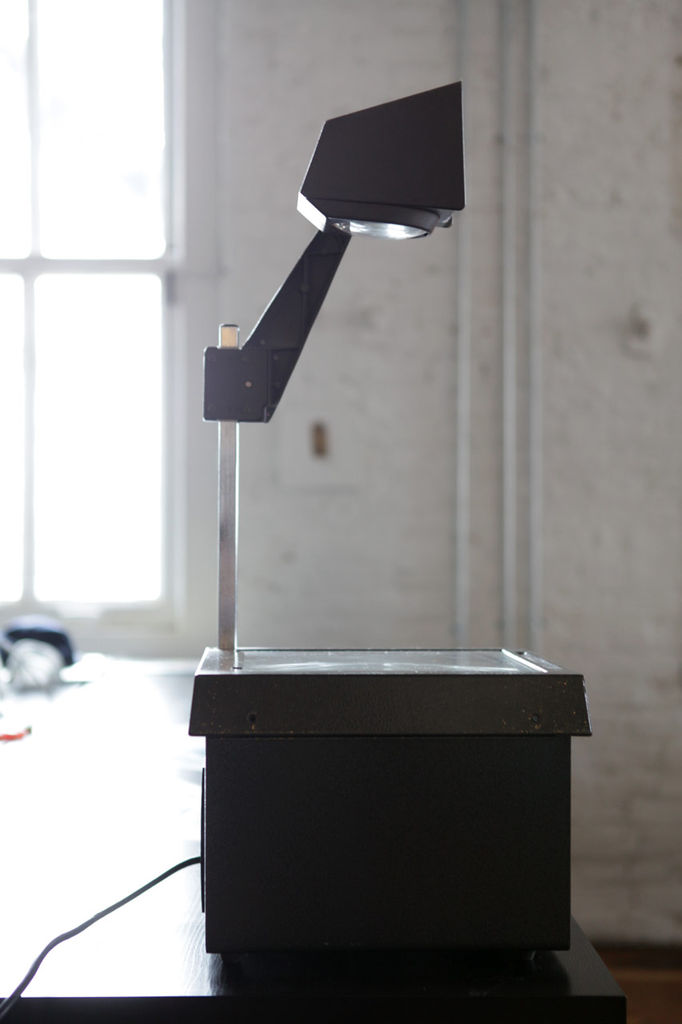
The main title sequence involved the filming of a Eiki Still Picture Projecter, as shown above, often used within classrooms in the 70's. This therefore conveyed the era of the film to the audience. The pacing of the shots on the projector were rather slow, this allowed the viewer to absorb the information but also created tension throughout the sequence, perfectly matching the non-diegetic music. 

From researching into this title sequence and discovering what micro-elements make a title sequence I have decided that the title sequence of our film should also feature the dramatic, screeching music to create tension and a sense of danger. In addition to this I would also like to feature newspaper clippings to give off the sense that something like the Z-bola virus could occur within real life therefore scaring the audience and creating a verisimilitude effect. The news articles featuring within our title sequence will also link nicely with the first few minutes of the film which features a news report.